

GLP-1 and Muscle Loss: How to Lose Weight Without Losing Strength
GLP-1 medications have become one of the biggest conversations in weight loss. Drugs like semaglutide and tirzepatide can help reduce appetite, improve blood sugar control, and support significant weight loss when prescribed appropriately. But one concern keeps coming up: does weight loss on GLP-1 medications cause muscle loss?
The honest answer is yes, some lean mass can be lost during major weight loss, whether that weight loss comes from medication, dieting, surgery, or a large calorie deficit. The goal is not to avoid all lean mass change. The goal is to make sure most of the weight lost comes from body fat while preserving as much muscle, strength, and function as possible.
GLP-1 medications are intended to be used alongside a reduced-calorie diet and increased physical activity, not as a replacement for nutrition and exercise. FDA prescribing information for Wegovy and Zepbound both describe these medications as being used with reduced calorie intake and increased physical activity.
What Are GLP-1 Medications?
GLP-1 stands for glucagon-like peptide-1, a hormone involved in blood sugar regulation, appetite, digestion, and fullness. GLP-1 receptor agonists mimic or enhance this pathway, which can help people feel fuller sooner and eat less.
Common GLP-1 or GLP-1-related medications include:
- Semaglutide, found in medications like Ozempic and Wegovy
- Tirzepatide, found in medications like Mounjaro and Zepbound
- Liraglutide, found in medications like Saxenda and Victoza
These medications can be powerful tools, but they do not automatically guarantee healthy body composition. That is where protein, resistance training, hydration, and consistent habits come in.
Why Muscle Loss Can Happen on GLP-1s
Muscle loss during GLP-1 use usually does not happen because the medication is “burning muscle.” It often happens because people are eating much less overall.
When appetite drops, it can become harder to eat enough:
- Protein
- Calories
- Fiber
- Micronutrients
- Fluids
A joint nutritional review on GLP-1 therapy notes that preserving muscle and bone mass through appropriate diet, resistance training, and lifestyle support is a key priority during treatment.
Muscle loss risk may be higher if someone:
- Loses weight very quickly
- Eats very little protein
- Skips strength training
- Is older
- Has a history of low muscle mass
- Has chronic illness
- Eats mostly low-nutrient convenience foods
- Has nausea or digestive side effects that limit food intake
Is All “Lean Mass Loss” the Same as Muscle Loss?
Not exactly. Lean mass includes more than skeletal muscle. It can also include water, connective tissue, organs, and glycogen. Some research suggests GLP-1-related weight loss is mostly fat loss, with smaller reductions in lean mass, but muscle preservation still matters, especially for people at higher risk of frailty or low strength.
That means the goal should be simple: lose fat, keep strength, protect muscle, and support long-term health.
Why Muscle Matters During Weight Loss
Muscle is not just about looking toned. Muscle supports:
- Metabolism
- Strength
- Posture
- Mobility
- Joint health
- Blood sugar control
- Workout performance
- Long-term weight maintenance
Losing weight without protecting muscle can leave people feeling smaller but weaker. That can make it harder to keep weight off, stay active, and maintain a healthy routine.
For evol, this is exactly why fitness, food, habits, and routine all need to work together. Weight loss is not just about eating less. It is about building a body that can perform, recover, and sustain the results.
How to Protect Muscle While Taking a GLP-1
1. Prioritize Protein at Every Meal
Protein gives your body the amino acids it needs to maintain and repair muscle. During weight loss, protein becomes even more important because your body is in an energy deficit.
A simple starting goal for many active adults is 25–40 grams of protein per meal, depending on body size, goals, and medical needs. Older adults or people at risk of muscle loss may need higher protein intake, and research has suggested protein intakes around 1.2 g/kg/day may help support muscle health in older adults.
Good protein options include:
- Eggs
- Greek yogurt
- Cottage cheese
- Chicken
- Turkey
- Fish
- Lean beef
- Tofu
- Tempeh
- Edamame
- Protein shakes
- Beans and lentils
2. Strength Train 2–4 Days Per Week
Resistance training is one of the most important tools for preserving muscle during weight loss. A Diabetes Care article on incretin-based weight loss medications recommends tailored resistance training as an adjunct to help preserve lean mass while supporting fat loss.
Focus on simple, effective movements:
- Squats or leg press
- Hip hinges or deadlifts
- Rows
- Chest presses or push-ups
- Shoulder presses
- Lunges
- Core work
You do not need to train like a bodybuilder. You just need to give your muscles a reason to stay.
3. Do Not Let Calories Drop Too Low
GLP-1 medications can make it easy to under-eat. While a calorie deficit is needed for fat loss, an extreme deficit may increase fatigue, muscle loss risk, cravings, nutrient gaps, and poor workout performance.
A better approach is to eat smaller, protein-focused meals that are easier to digest.
4. Add Fiber and Color
Fiber helps digestion, fullness, gut health, and blood sugar control. Since some GLP-1 users deal with constipation or nausea, fiber should be increased gradually with enough fluids.
Helpful foods include:
- Berries
- Apples
- Oats
- Lentils
- Beans
- Chia seeds
- Vegetables
- Sweet potatoes
- Whole grains
5. Track Strength, Not Just Scale Weight
The scale does not tell the full story. Track:
- Can you lift the same or more weight?
- Are your workouts improving?
- Are your clothes fitting better?
- Are you getting enough protein?
- Is your energy stable?
- Are you walking more?
- Are you recovering well?
If the scale is dropping but strength is crashing, that may be a sign to adjust food, training, or recovery.
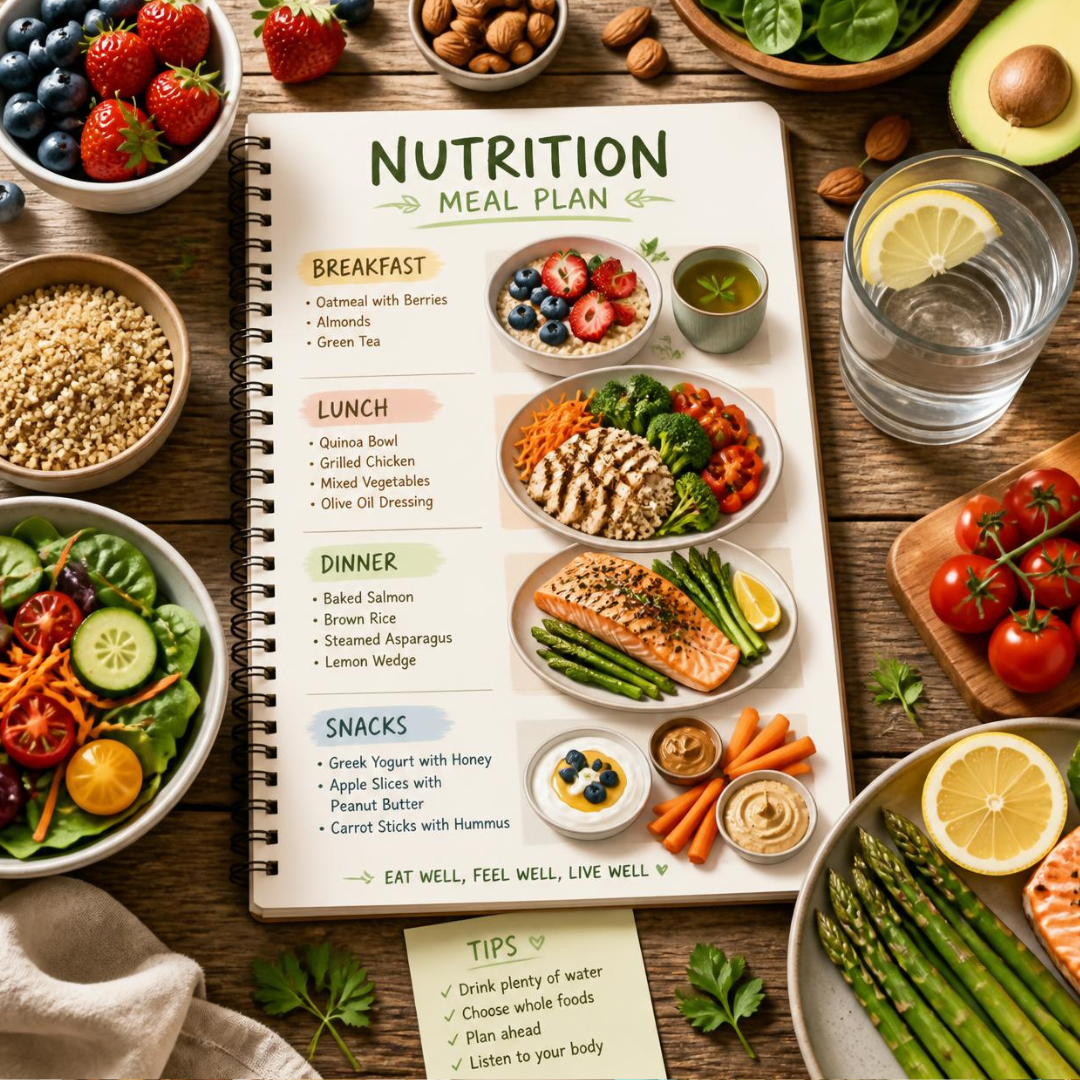
Free Simple GLP-1 Muscle-Support Meal Plan
This meal plan is designed to be simple, high-protein, and easy to follow. It is not a prescription meal plan and should be adjusted based on your calorie needs, medication side effects, allergies, and guidance from your healthcare provider.
Daily Goal
Aim for:
- Protein at every meal
- Vegetables or fruit 2–4 times per day
- Hydration throughout the day
- Strength training 2–4 times per week
- Small meals if appetite is low
3-Day Free Meal Plan
Day 1
Breakfast:
Greek yogurt bowl with berries, chia seeds, and a small handful of granola
Protein boost: Use plain Greek yogurt or add a scoop of protein powder.
Lunch:
Grilled chicken salad with mixed greens, cucumber, tomato, avocado, and olive oil vinaigrette
Add carbs if needed: quinoa, chickpeas, or a small sweet potato.
Snack:
Protein shake or cottage cheese with fruit
Dinner:
Salmon with roasted broccoli and sweet potato
Simple seasoning: lemon, garlic, black pepper, and a little olive oil.
Day 2
Breakfast:
2–3 eggs with spinach and whole grain toast
Optional add-on: turkey slices or cottage cheese if you need more protein.
Lunch:
Turkey lettuce wraps with hummus, cucumber, tomato, and a side of fruit
Add carbs if training: rice cakes, whole grain wrap, or roasted potatoes.
Snack:
Apple with peanut butter or a protein bar
Dinner:
Lean beef or turkey taco bowl with rice, lettuce, salsa, black beans, and Greek yogurt instead of sour cream
Day 3
Breakfast:
Protein smoothie with protein powder, banana, spinach, almond milk, and peanut butter
Make it easier on digestion: sip slowly.
Lunch:
Tuna or chicken bowl with avocado, brown rice, cucumber, and greens
Snack:
Hard-boiled eggs or edamame
Dinner:
Chicken stir-fry with vegetables and jasmine rice
Use a simple sauce: low-sodium soy sauce, garlic, ginger, and a little honey.
Simple Grocery List
Protein:
- Eggs
- Greek yogurt
- Cottage cheese
- Chicken breast
- Turkey slices or ground turkey
- Salmon
- Tuna
- Lean beef
- Protein powder
- Edamame
Carbs:
- Sweet potatoes
- Brown rice
- Jasmine rice
- Whole grain bread or wraps
- Oats
- Fruit
- Granola
Fats:
- Avocado
- Olive oil
- Peanut butter
- Chia seeds
- Nuts
Vegetables:
- Spinach
- Mixed greens
- Broccoli
- Cucumbers
- Tomatoes
- Stir-fry vegetables
- Lettuce
Easy Meal Formula for GLP-1 Users
Use this simple plate method:
Protein + Produce + Smart Carb + Healthy Fat
Examples:
- Chicken + broccoli + rice + avocado
- Eggs + spinach + toast + olive oil
- Greek yogurt + berries + oats + chia seeds
- Salmon + salad + sweet potato + olive oil dressing
- Turkey + lettuce + beans + avocado
This keeps meals balanced without making eating feel complicated.
When to Talk to a Professional
Talk to your healthcare provider or registered dietitian if you are taking a GLP-1 and experiencing:
- Rapid weight loss
- Constant nausea
- Very low appetite
- Weakness
- Dizziness
- Hair shedding
- Constipation
- Difficulty eating enough protein
- Loss of strength
- A history of eating disorders
Recent reporting and research have also raised concerns about GLP-1 misuse among people with eating disorders, so medical supervision matters.
GLP-1 medications can be helpful tools for weight loss, but they work best when paired with the habits that protect long-term health. The goal is not just to weigh less. The goal is to feel stronger, move better, preserve muscle, and build a routine that lasts.
For anyone using a GLP-1, the foundation should be simple: eat enough protein, lift weights, hydrate, walk, sleep, and monitor strength. That is how weight loss becomes more than a smaller number on the scale. It becomes a stronger body and a healthier lifestyle.
Read more

Can extra workouts cancel out alcohol calories? Learn the real impact of drinking on metabolism, muscle growth, fat loss, and recovery.
AI in Nutrition: How Artificial Intelligence Is Changing Healthy Eating Artificial intelligence (AI) is reshaping nearly every industry, and nutrition is no exception. What once required hours of ...