

Can Excess Exercise Offset Alcohol? The Truth About Fitness, Calories, and Drinking

It’s a common thought in the fitness world:
“If I work out harder tomorrow, I can make up for drinking tonight.”
On paper it almost sounds logical. Alcohol contains calories, workouts burn calories, so theoretically one should cancel the other out… right?
Not exactly.
The relationship between alcohol, metabolism, and exercise is much more complex than simple calorie math. While exercise is incredibly powerful for improving health and body composition, alcohol affects the body in ways that extra workouts alone cannot fully offset.
Let’s break down what actually happens when alcohol and fitness collide.
How Alcohol Is Processed in the Body
When you drink alcohol, your body treats it as a toxin. Because of this, it becomes your body’s top metabolic priority.
Instead of burning fat or carbohydrates for energy, your body shifts its focus toward breaking down alcohol first.
The process looks like this:
- Alcohol enters the bloodstream
- The liver converts alcohol into acetaldehyde (a toxic compound)
- Acetaldehyde converts into acetate
- The body burns acetate for energy
During this process:
- Fat oxidation decreases
- Nutrient processing slows
- Energy is redirected toward detoxification
According to research from the National Institute on Alcohol Abuse and Alcoholism, the liver can only process about one standard drink per hour.
This means drinking multiple drinks can leave your metabolism processing alcohol for many hours.
Why Exercise Doesn’t “Cancel Out” Alcohol
Many people try to balance drinking by doing extra workouts or cardio. While exercise is always beneficial, alcohol still interferes with several key biological processes.
1. Alcohol Reduces Fat Burning
Studies show alcohol consumption can reduce fat oxidation by up to 70% temporarily, meaning your body burns significantly less fat after drinking.
Even if you burned calories during a workout earlier in the day, alcohol can shift metabolism away from fat burning afterward.
Research from the American College of Sports Medicine explains that alcohol changes substrate metabolism, causing the body to prioritize alcohol processing rather than stored fat.
2. Alcohol Disrupts Muscle Recovery

Muscle growth happens when the body repairs microscopic muscle damage after exercise.
Alcohol interferes with this process by:
- Lowering muscle protein synthesis
- Reducing testosterone levels
- Increasing cortisol (stress hormone)
A study published by the National Institutes of Health found that alcohol can reduce muscle protein synthesis by over 20–30% after resistance training.
So while you may burn calories during a workout, alcohol can reduce the results you get from that workout.
3. Alcohol Adds Hidden Calories
Alcohol contains 7 calories per gram, making it the second most calorie-dense macronutrient after fat.
Here’s how quickly calories add up:
|
Drink |
Average Calories |
|
Beer |
150–200 |
|
Wine |
120–150 |
|
Margarita |
250–400 |
|
Craft cocktails |
300–500 |
Burning off just three cocktails might require:
- 45–60 minutes of running
- 90 minutes of walking
- A full intense gym session
And that only addresses the calories—not the metabolic effects.
4. Alcohol Impairs Sleep and Recovery
Quality sleep is one of the most important drivers of fat loss and muscle growth.
Alcohol may make you feel sleepy, but it actually:
- Reduces REM sleep
- Increases night awakenings
- Disrupts recovery hormones
The Sleep Foundation reports that alcohol significantly reduces sleep quality, which can affect both exercise performance and fat metabolism the following day.
When Alcohol Has Less Impact
Not all drinking completely derails fitness goals. The impact depends on frequency, quantity, and timing.
Lower impact situations include:
- Drinking 1–2 drinks occasionally
- Drinking after rest days instead of training days
- Avoiding alcohol immediately after workouts
- Staying hydrated
Many athletes follow the 80/20 rule, where most habits support their goals while leaving room for occasional indulgence.
Practical Tips for Fitness and Alcohol Balance
If you enjoy drinking but still want to maintain fitness progress, these strategies can help:
1. Avoid post-workout drinking
Muscle recovery is most active in the hours after training.
2. Hydrate aggressively
Drink water between alcoholic drinks.
3. Choose lower-calorie options
Better choices include:
- Light beer
- Dry wine
- Vodka soda
4. Prioritize sleep
Stop drinking 2–3 hours before bed to minimize sleep disruption.
5. Focus on consistency, not perfection
Fitness results come from long-term habits, not one night.
The Bottom Line
Exercise is powerful, but it cannot fully cancel out alcohol.
Alcohol affects:
- Metabolism
- Fat burning
- Muscle recovery
- Sleep quality
- Hormone balance
While an occasional drink won’t destroy your progress, relying on extra workouts to offset frequent drinking usually doesn’t work the way people expect.
Fitness success comes from the entire ecosystem of habits — workouts, nutrition, sleep, and recovery all working together.
FAQ
Can I burn off alcohol calories with cardio?
Cardio can burn the calories from alcohol, but it does not reverse alcohol’s effects on metabolism, recovery, and sleep.
Is drinking after a workout bad?
It can be. Alcohol reduces muscle protein synthesis and slows recovery, which can limit muscle growth and performance improvements.
Which alcoholic drinks are lowest in calories?
Lower calorie options include:
- Vodka soda
- Tequila with lime
- Light beer
- Dry wine
Sugary cocktails and mixed drinks are typically the highest in calories.
How long should I wait after a workout to drink?
Ideally several hours, allowing the body to begin muscle recovery and nutrient absorption before alcohol is introduced.
Does alcohol stop fat loss completely?
No, but it temporarily slows fat metabolism while the body prioritizes processing alcohol.
Read more

Can Christmas Cookies Be “Healthy”? Short answer: healthier, yes. “Magically good for you”? Nah. But you can upgrade your holiday baking by: Using oats and whole grains for more fiber and beta-gl...
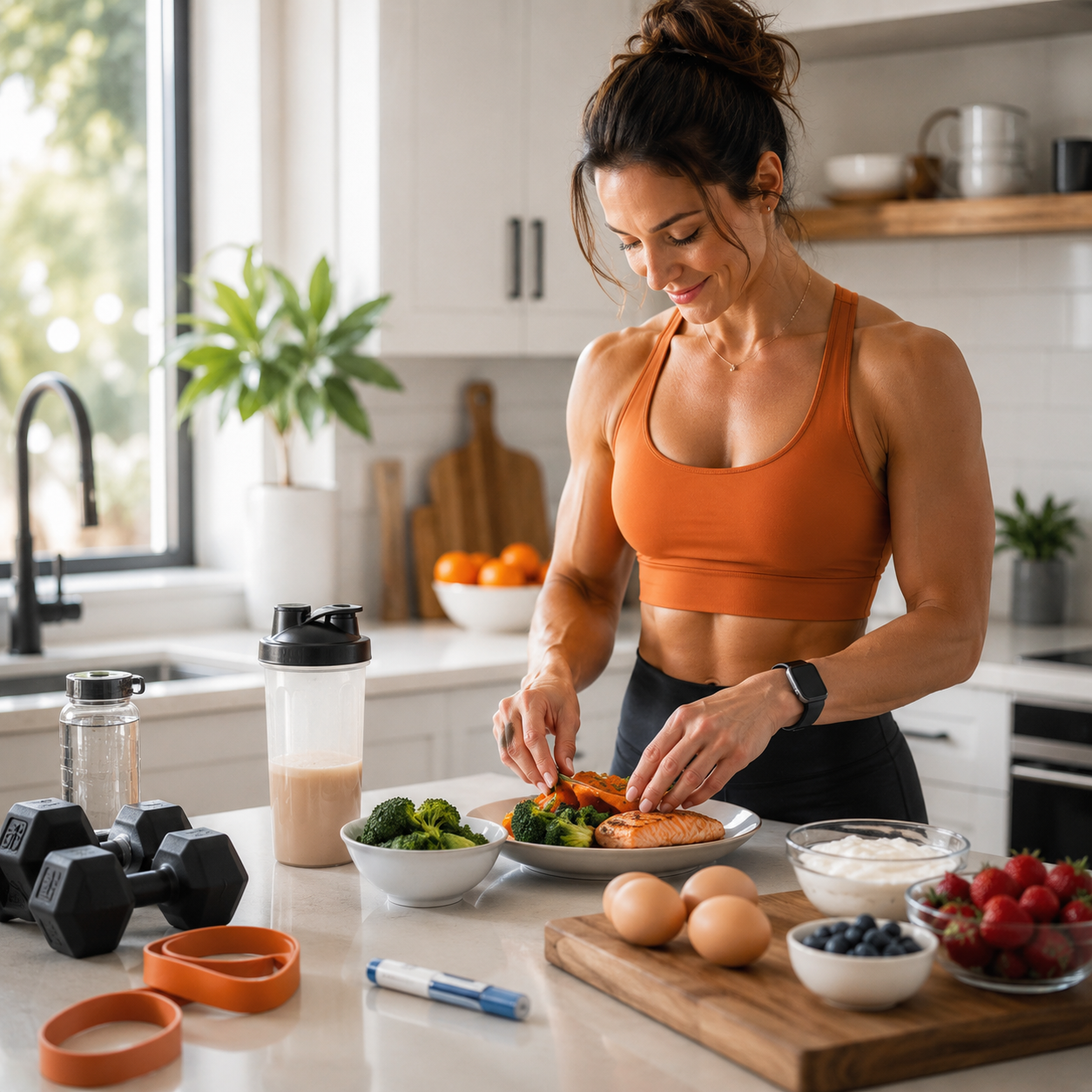
Learn how GLP-1 medications may affect muscle loss, why protein and strength training matter, and get a free simple meal plan to support fat loss and muscle retention.