
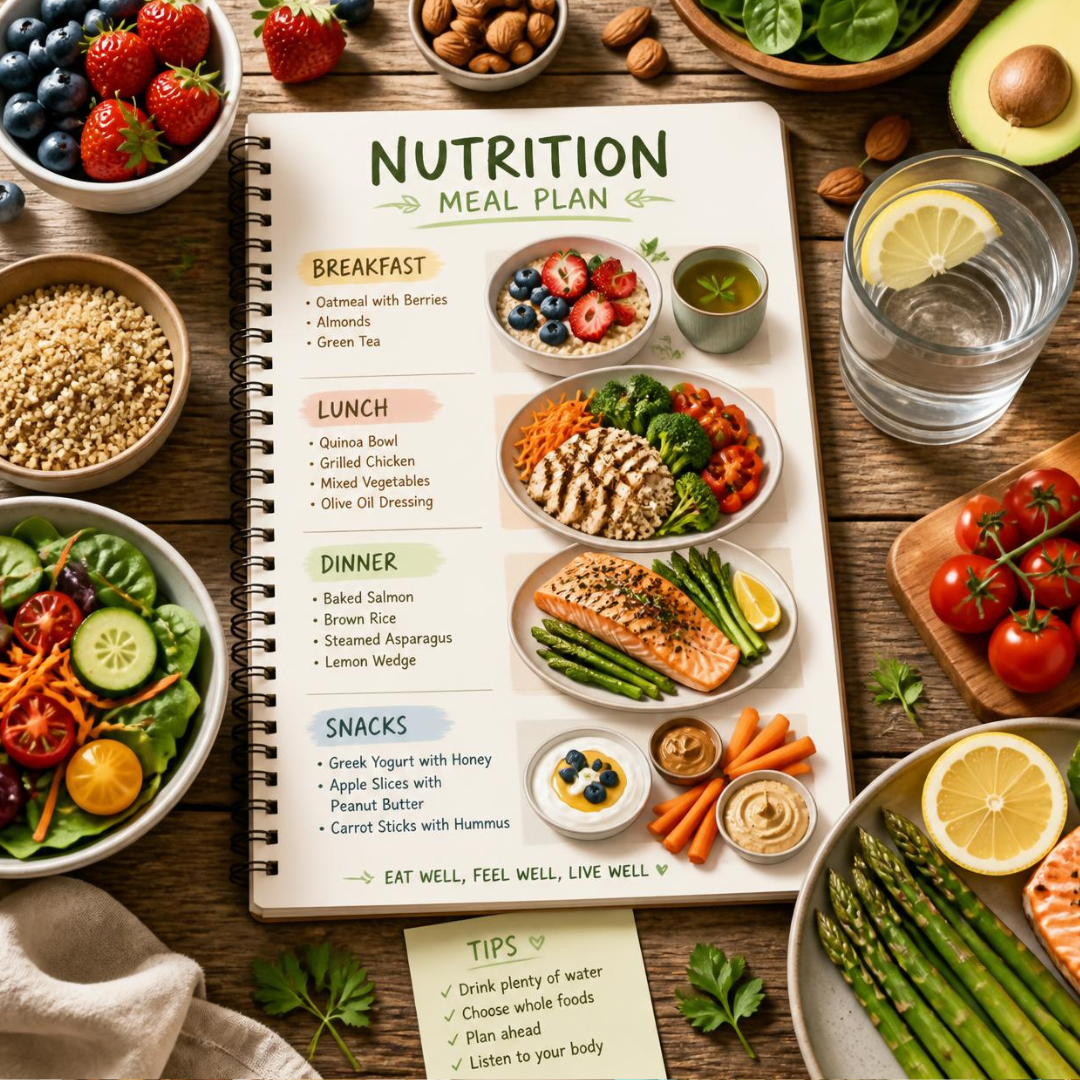
AI in Nutrition: How Artificial Intelligence Is Revolutionizing Healthy Eating
AI in Nutrition: How Artificial Intelligence Is Changing Healthy Eating
Artificial intelligence (AI) is reshaping nearly every industry, and nutrition is no exception. What once required hours of research, meal planning, and trial and error can now be simplified with intelligent software capable of analyzing goals, preferences, health data, and eating habits in seconds.
From personalized meal plans to grocery recommendations and nutrition coaching, AI is making healthy eating more accessible, more personalized, and more sustainable than ever before.
As healthcare increasingly shifts toward prevention rather than treatment, AI-powered nutrition tools are helping people make smarter food choices before health problems develop.
Why Nutrition Has Always Been Challenging
Despite having more nutrition information available than ever before, many people still struggle with questions like:
- What should I eat?
- How much protein do I need?
- How many calories should I consume?
- Which foods fit my goals?
- How do I eat healthy on a budget?
- How do I meal prep efficiently?
- What foods fit my dietary restrictions?
The internet offers thousands of conflicting opinions, making it difficult to know what advice is actually evidence-based.
AI helps eliminate much of that confusion by analyzing individual needs instead of offering one-size-fits-all recommendations.
Personalized Nutrition Is the Future
Every person has unique nutritional needs based on factors such as:
- Age
- Sex
- Height
- Weight
- Activity level
- Body composition
- Health conditions
- Food allergies
- Dietary preferences
- Fitness goals
Instead of recommending identical meal plans for everyone, AI can generate nutrition guidance tailored specifically to the individual.
Someone training for a marathon has very different nutritional needs than someone trying to lose weight or manage blood sugar.
AI Can Build Smarter Meal Plans
One of the biggest advantages of AI is its ability to create meal plans that balance nutrition with convenience.
Modern AI systems can consider:
- Daily calorie targets
- Protein goals
- Macronutrient ratios
- Micronutrient intake
- Budget constraints
- Cooking skill level
- Available kitchen equipment
- Food preferences
- Time available for cooking
The result is a meal plan that's not only healthy but realistic enough to follow consistently.
Smarter Grocery Shopping
AI doesn't stop at meal planning—it can also simplify grocery shopping.
Some platforms can automatically generate shopping lists based on planned meals, reducing food waste and making healthy choices easier.
Additional features may include:
- Suggesting healthier product alternatives
- Comparing nutritional labels
- Recommending seasonal produce
- Finding budget-friendly substitutions
- Organizing shopping lists by store section
These small conveniences can make healthy eating much easier to maintain over time.
AI Makes Food Logging Easier
Traditional calorie tracking can feel tedious, leading many people to stop logging altogether.
New AI-powered tools can streamline the process by:
- Recognizing foods from photos
- Scanning barcodes
- Estimating portion sizes
- Suggesting frequently eaten meals
- Learning eating patterns over time
Reducing the effort required to log meals helps users stay consistent, which is one of the strongest predictors of long-term success.
AI Can Identify Nutritional Gaps
Many people focus only on calories while overlooking important nutrients.
AI systems can analyze dietary patterns to identify potential deficiencies in:
- Protein
- Fiber
- Iron
- Calcium
- Vitamin D
- Potassium
- Omega-3 fatty acids
By highlighting these gaps, AI can suggest foods that improve overall nutritional quality rather than simply reducing calorie intake.
Integrating Nutrition with Fitness
Nutrition and exercise work best together, yet many apps treat them as separate activities.
Modern AI platforms increasingly connect:
- Workout history
- Recovery
- Sleep quality
- Hydration
- Daily activity
- Body weight trends
- Calorie intake
- Macronutrient intake
For example, after a particularly intense strength workout, AI may recommend increasing protein and carbohydrate intake to support muscle recovery.
This connected approach provides more meaningful guidance than tracking nutrition or fitness alone.
AI Supports Long-Term Healthy Habits
Healthy eating isn't about perfection—it's about consistency.
AI can help users build sustainable habits through:
- Personalized reminders
- Progress tracking
- Goal adjustments
- Positive reinforcement
- Flexible meal recommendations
- Habit streaks
- Weekly nutrition summaries
Instead of encouraging restrictive dieting, many AI-powered platforms focus on gradual improvements that fit into everyday life.
The Role of AI in Preventive Health
Nutrition plays a significant role in reducing the risk of chronic diseases such as:
- Type 2 diabetes
- Cardiovascular disease
- Obesity
- High blood pressure
- Certain nutrient deficiencies
AI has the potential to support preventive health by helping users identify patterns and make healthier choices earlier. While AI can be a valuable educational and coaching tool, it should complement—not replace—the advice of qualified healthcare professionals, especially for individuals with medical conditions.
How evol Envisions AI Nutrition
At evol, nutrition is viewed as one piece of a larger wellness ecosystem.
The goal is to combine AI-powered meal planning, macro guidance, workout recommendations, habit tracking, and progress analytics into a unified experience that adapts as users' needs change.
Rather than relying on static meal plans, evol aims to provide personalized suggestions based on each person's goals, activity levels, and lifestyle—making healthy eating easier to sustain over the long term.
As AI continues to advance, platforms like evol have the opportunity to help users spend less time guessing what to eat and more time building lasting, healthy habits.
Challenges and Responsible Use of AI
Although AI offers exciting possibilities, it isn't perfect.
Users should keep in mind that:
- AI recommendations depend on the quality of the data provided.
- Medical nutrition therapy should always be guided by qualified healthcare professionals.
- Food preferences and cultural traditions remain important.
- AI should support informed decision-making rather than dictate every meal.
The most effective nutrition platforms combine scientific evidence, personalization, and human judgment.
The Future of AI in Nutrition
Over the next decade, AI is expected to become even more integrated into daily nutrition through:
- Wearable health data
- Continuous glucose monitoring integration
- Personalized grocery recommendations
- Voice-assisted meal planning
- Real-time nutrient analysis
- Improved food recognition
- Predictive health insights
- Greater personalization based on lifestyle data
As technology evolves, healthy eating will become increasingly individualized, helping people make choices that align with their goals, preferences, and overall well-being.
Final Thoughts
Artificial intelligence is transforming nutrition from generic advice into personalized guidance that adapts to each individual. By combining data from food intake, activity, sleep, and health metrics, AI can help simplify meal planning, improve dietary quality, and encourage long-term healthy habits.
While AI should never replace professional medical advice when it's needed, it has enormous potential to make evidence-informed nutrition more accessible. As digital health continues to grow, AI-powered nutrition tools are poised to become valuable partners in helping people eat better, feel better, and live healthier lives.
Frequently Asked Questions
Can AI create personalized meal plans?
Yes. Many AI-powered nutrition platforms generate meal plans based on factors like age, weight, activity level, dietary preferences, allergies, and fitness goals.
Is AI nutrition advice accurate?
AI can provide useful guidance when built on reliable nutrition science, but it should not replace personalized medical advice from registered dietitians or healthcare providers for specific medical conditions.
Can AI help with weight loss?
AI can support weight loss by tracking calories, suggesting balanced meals, monitoring progress, and encouraging healthy habits. Success still depends on consistent lifestyle changes.
Will AI replace dietitians?
AI is more likely to complement dietitians than replace them. It can automate routine tasks and provide day-to-day guidance while professionals continue to deliver individualized clinical care.
Read more

Learn how GLP-1 medications may affect muscle loss, why protein and strength training matter, and get a free simple meal plan to support fat loss and muscle retention.

Learn how much protein you need to lose fat without losing muscle, how to calculate your daily protein target, and the best protein foods for fat loss.