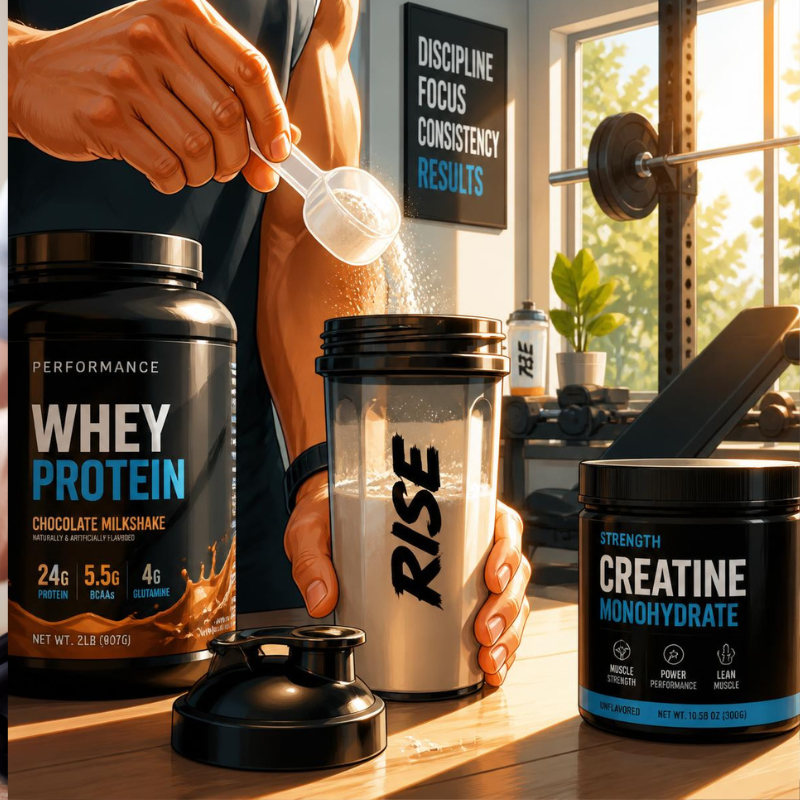

Pre-Workout vs. Energy Drinks: Pros, Cons, and Which One Is Better for Exercise
Pre-Workout Drinks vs. Energy Drinks: What's the Difference and Which Is Better for Your Workout?
Walk into any gym and you'll likely see someone sipping from a shaker bottle filled with brightly colored pre-workout or carrying a can of their favorite energy drink. While both products promise increased energy and focus, they're not the same thing.
Understanding the differences between pre-workout supplements and energy drinks can help you make smarter decisions based on your fitness goals, training style, and overall health.
Whether you're lifting weights, running, training for a sport, or simply trying to get through an early morning workout, knowing what you're putting into your body matters.
What Is a Pre-Workout?
A pre-workout is a supplement specifically formulated to improve exercise performance. Most are taken 20–45 minutes before training and contain a blend of ingredients designed to support energy, endurance, focus, and muscle performance.
Common ingredients include:
- Caffeine
- Creatine
- Beta-alanine
- Citrulline malate or L-citrulline
- Betaine
- Taurine
- L-tyrosine
- Electrolytes
- B vitamins
Unlike most energy drinks, pre-workouts are designed with exercise performance in mind.
What Is an Energy Drink?
Energy drinks are beverages intended to increase alertness and reduce fatigue throughout the day.
Popular brands include:
- Monster®
- Red Bull®
- Celsius®
- Rockstar®
- Ghost Energy®
- Alani Nu®
Most energy drinks contain:
- Caffeine
- B vitamins
- Taurine
- Guarana
- Green tea extract
- Artificial or natural flavors
- Sweeteners (sugar or sugar-free)
Some newer energy drinks also include performance ingredients found in pre-workouts, but usually at lower or less effective doses.
The Benefits of Pre-Workout Supplements
1. Increased Energy
Most pre-workouts contain caffeine, one of the most researched performance-enhancing ingredients available.
Moderate caffeine intake before exercise has been shown to improve:
- Power output
- Endurance
- Alertness
- Reaction time
- Training intensity
2. Improved Focus
Ingredients like L-tyrosine and caffeine may help improve concentration during workouts.
This can be especially beneficial for:
- Heavy lifting
- Athletic training
- Long gym sessions
3. Better Blood Flow ("The Pump")
Many pre-workouts include citrulline, which increases nitric oxide production.
Benefits may include:
- Improved blood flow
- Enhanced muscle pumps
- Better nutrient delivery
- Improved endurance during resistance training
4. Delayed Muscle Fatigue
Beta-alanine helps buffer acid buildup in muscles during high-intensity exercise.
Some people notice improved performance during:
- HIIT workouts
- Sprint intervals
- Circuit training
The tingling sensation many people feel after taking pre-workout is often caused by beta-alanine and is generally harmless.
5. Supports Strength Training
Some formulas include creatine, one of the most studied sports supplements.
Creatine may help:
- Increase strength
- Improve power output
- Support muscle growth over time
- Improve training volume
The Benefits of Energy Drinks
1. Quick Energy
Energy drinks are convenient.
No mixing.
No shaker bottle.
Just open the can.
2. Portable
They're easy to carry to work, school, or the gym.
3. Good for General Alertness
If you're not exercising but simply need help staying awake during a long drive or afternoon slump, an energy drink may provide temporary alertness.
4. Lower Commitment
Many people don't want the extra performance ingredients found in pre-workouts.
They simply want caffeine.
Energy drinks provide that in a convenient format.
The Downsides of Pre-Workout
Too Much Caffeine
Some products contain over 300–400 mg of caffeine per serving.
High caffeine intake may cause:
- Jitters
- Anxiety
- Increased heart rate
- Trouble sleeping
- Digestive discomfort
People sensitive to caffeine should choose lower-stimulant or stimulant-free options.
Proprietary Blends
Some supplements list ingredients without revealing the exact amounts, making it difficult to determine whether you're getting evidence-based doses.
Look for brands that fully disclose ingredient amounts on the label.
Tingling Sensation
Beta-alanine commonly causes a harmless tingling or itching feeling (paresthesia), which some users enjoy and others dislike.
The Downsides of Energy Drinks
Often High in Sugar
Some energy drinks contain significant amounts of added sugar.
Regular consumption of high-sugar beverages may contribute to:
- Excess calorie intake
- Blood sugar spikes
- Dental problems
Many brands now offer sugar-free alternatives.
Limited Performance Benefits
While caffeine may improve exercise performance, most energy drinks don't contain enough citrulline, creatine, or beta-alanine to produce the same workout-specific benefits as a quality pre-workout.
Easy to Overconsume
Because they're sold as beverages rather than supplements, people sometimes consume multiple cans per day.
This can result in excessive caffeine intake and increase the risk of side effects.
Should You Drink Them Before Every Workout?
Not necessarily.
Your body can become accustomed to caffeine over time, reducing its effects.
It's often beneficial to:
- Reserve higher-caffeine products for more demanding training sessions
- Cycle caffeine intake periodically if desired
- Train without stimulants on some days
- Prioritize sleep, nutrition, and hydration as the foundation of energy
A great workout starts long before you open a can or scoop a supplement.
Natural Ways to Boost Workout Energy
Supplements should support—not replace—healthy habits.
You may naturally improve workout performance by:
- Getting 7–9 hours of sleep
- Eating enough carbohydrates
- Staying hydrated
- Consuming adequate protein
- Managing stress
- Following a structured training program
If your energy is consistently low, addressing lifestyle factors may be more effective than increasing caffeine intake.
Which Is Better?
The answer depends on your goal.
Choose a Pre-Workout if:
- You want to maximize training performance
- You're strength training
- You want ingredients that support endurance and muscle performance
- You're comfortable using sports supplements
Choose an Energy Drink if:
- You simply need a caffeine boost
- You're looking for convenience
- You're not necessarily training intensely
- You prefer ready-to-drink beverages
Neither product is required to achieve excellent fitness results.
Many successful athletes train with nothing more than proper nutrition, hydration, and adequate sleep.
How evol Helps You Train Smarter
At evol, we believe supplements should complement a strong fitness foundation—not replace it.
Our AI-powered platform helps users optimize:
- Workout programming
- Nutrition
- Protein intake
- Recovery
- Hydration
- Habit tracking
- Progress monitoring
Whether you choose a pre-workout, an energy drink, or no stimulant at all, long-term progress comes from consistency, intelligent programming, and sustainable habits.
Final Thoughts
Pre-workout supplements and energy drinks both have a place, but they serve different purposes.
Pre-workouts are formulated to enhance exercise performance with ingredients like caffeine, citrulline, beta-alanine, and sometimes creatine. Energy drinks are primarily designed to increase alertness and provide a convenient caffeine source.
Neither is a magic solution. The biggest drivers of performance remain consistent training, balanced nutrition, quality sleep, proper hydration, and recovery.
Choose the product that aligns with your goals, pay attention to caffeine intake, and remember that supplements work best when they're built on a healthy lifestyle.
Frequently Asked Questions
Is pre-workout better than an energy drink?
For exercise performance, many pre-workout supplements contain ingredients specifically studied for training, whereas energy drinks are generally formulated to improve alertness. The better choice depends on your goals.
Can I drink an energy drink before working out?
Many people do, especially if the drink contains a moderate amount of caffeine. Be mindful of the total caffeine content and avoid combining multiple stimulant products.
Can I take pre-workout every day?
Some people use pre-workout regularly, but it's a good idea to monitor your caffeine intake and avoid relying on stimulants for every workout. If you have underlying health conditions or are sensitive to caffeine, consult your healthcare provider before use.
Do I need either one to have a good workout?
No. Many people achieve excellent results through proper nutrition, hydration, sleep, and consistent training without using stimulant-based supplements.