

Should Healthy People Take GLP-1 for Weight Loss? The Truth About Fitness and Fat Loss
GLP-1 for Fitness: Why It Isn't a Shortcut to Getting Lean
Over the past few years, GLP-1 medications like Wegovy®, Zepbound®, Ozempic®, and Mounjaro® have transformed the treatment of obesity and type 2 diabetes. They've also become increasingly popular on social media, where influencers and celebrities often share dramatic before-and-after photos.
With so much attention, it's understandable why some gym-goers and fitness enthusiasts are asking:
"Should I take a GLP-1 just to get lean faster?"
For most healthy individuals who are simply trying to lose a few pounds or achieve a more defined physique, the answer is probably not.
GLP-1 medications are powerful prescription drugs designed to treat specific medical conditions—not to replace healthy eating, exercise, and consistent training. While they can be life-changing for people living with obesity or certain metabolic diseases, using them solely to accelerate cosmetic weight loss may come with trade-offs that work against your fitness goals.
What GLP-1 Medications Actually Do
GLP-1 (glucagon-like peptide-1) medications mimic a hormone your body naturally produces after eating.
They help:
- Reduce appetite
- Increase feelings of fullness
- Slow stomach emptying
- Improve blood sugar regulation
Because most people eat significantly fewer calories while taking them, weight loss often follows.
For individuals with obesity or type 2 diabetes, these medications can improve health outcomes and reduce the risk of serious complications when prescribed and monitored appropriately.
They Were Designed for Medical Treatment—Not Cosmetic Weight Loss
GLP-1 medications are generally prescribed for people who meet specific medical criteria, such as:
- Obesity (typically a BMI of 30 or greater)
- Overweight with weight-related health conditions, depending on the medication's approved use
- Type 2 diabetes (for certain GLP-1 medications)
If you're already at a healthy weight or only trying to lose the last 10–20 pounds for aesthetic reasons, the potential benefits may not outweigh the risks. That's a conversation worth having with a qualified healthcare provider.
Fitness Is About More Than the Number on the Scale
One of the biggest misconceptions in fitness is that lighter always means healthier or more athletic.
In reality, body composition matters far more.
A person who weighs 170 pounds with a high percentage of lean muscle often has better health, strength, and metabolic function than someone who weighs 150 pounds but has significantly less muscle.
The goal shouldn't simply be to weigh less.
The goal should be to:
- Build lean muscle
- Reduce excess body fat
- Improve strength
- Increase endurance
- Support long-term health
Muscle Is Hard to Build—and Easy to Lose
One of the biggest concerns for fitness enthusiasts using GLP-1 medications unnecessarily is losing lean muscle mass.
Whenever you lose weight, some muscle loss naturally occurs.
If calorie intake drops dramatically and resistance training or protein intake isn't adequate, that muscle loss can become more significant.
This matters because muscle helps:
- Burn more energy at rest
- Improve strength and athletic performance
- Support healthy aging
- Protect bone health
- Improve insulin sensitivity
- Enhance everyday function
If your primary fitness goal is building an athletic, strong physique, preserving muscle should be a priority.
Appetite Suppression Can Make Nutrition More Difficult
Eating less sounds appealing when trying to lose body fat.
But eating too little can make it harder to consume enough:
- Protein
- Fiber
- Vitamins
- Minerals
- Healthy fats
For active individuals, under-fueling may lead to:
- Poor recovery
- Lower workout intensity
- Increased fatigue
- Reduced muscle growth
- Greater risk of nutrient deficiencies
Your body still needs enough fuel to perform, recover, and adapt to training.
Fitness Success Comes From Habits, Not Shortcuts
One reason many people regain weight after stopping a GLP-1 medication is that the medication doesn't automatically teach sustainable habits.
Lasting fitness usually comes from learning how to:
- Build balanced meals
- Control portions
- Train consistently
- Sleep well
- Manage stress
- Stay active over the long term
Medication can support these habits for people who medically need it, but it doesn't replace them.
There Are No Shortcuts to Building Muscle
No medication can replace:
- Progressive overload
- Consistent resistance training
- Adequate protein
- Recovery
- Patience
Building muscle takes time.
The same is true for developing cardiovascular fitness, mobility, and athletic performance.
While GLP-1 medications can help reduce body weight, they don't create strength, endurance, or muscle definition on their own.
When GLP-1 Can Be an Excellent Tool
This doesn't mean GLP-1 medications are "bad."
For many people living with obesity or type 2 diabetes, they can be transformative.
They may help individuals:
- Reduce the risk of obesity-related complications
- Improve blood sugar control
- Lower cardiovascular risk in certain populations
- Achieve clinically meaningful weight loss
- Become more physically active by reducing joint stress and improving mobility
For these individuals, medication may create an opportunity to establish healthier nutrition and exercise habits that were previously difficult to maintain.
Ask Yourself These Questions First
If you're considering a GLP-1 primarily for fitness or appearance, it may be worth reflecting on a few questions:
- Am I medically eligible for this medication?
- Have I consistently followed a balanced nutrition plan?
- Am I strength training several times per week?
- Am I eating enough protein to support my goals?
- Am I getting enough sleep?
- Is my goal better health—or simply faster results?
If the main motivation is avoiding the work required to build healthier habits, a medication is unlikely to provide the long-term solution you're looking for.
How evol Helps You Reach Your Goals Naturally
At evol, we believe the foundation of lasting fitness is education, consistency, and personalization—not quick fixes.
Our approach focuses on helping users:
- Build sustainable nutrition habits
- Hit daily protein and calorie targets
- Follow structured workout programs
- Track progress over time
- Stay accountable with AI-powered coaching
- Improve body composition through healthy lifestyle changes
For users who are medically prescribed a GLP-1, these same tools can help preserve muscle, improve nutrition, and support healthier long-term outcomes. For everyone else, they provide a roadmap to achieving results without relying on medication that may not be necessary.
Final Thoughts
GLP-1 medications represent an important advancement in the treatment of obesity and type 2 diabetes, and they have helped many people improve their health.
However, they're not designed to be a shortcut for healthy individuals seeking cosmetic weight loss or a faster route to visible abs.
Fitness is about much more than losing weight. It's about becoming stronger, healthier, more capable, and building habits you can sustain for years to come.
If you think you may be a candidate for a GLP-1 medication, discuss it with a qualified healthcare provider. If your goal is simply to get leaner or improve your physique, focusing on smart nutrition, resistance training, recovery, and consistency is likely to serve you better over the long term.
Supporting Sources
- American College of Sports Medicine (ACSM): https://www.acsm.org
- Obesity Medicine Association: https://obesitymedicine.org
- American Diabetes Association: https://diabetes.org
- National Institute of Diabetes and Digestive and Kidney Diseases (NIDDK): https://www.niddk.nih.gov
- U.S. Food & Drug Administration (FDA): https://www.fda.gov
Read more

Discover how evol is designing an AI-powered fitness ecosystem that combines workouts, nutrition, recovery, habits, and wellness into one personalized health experience.
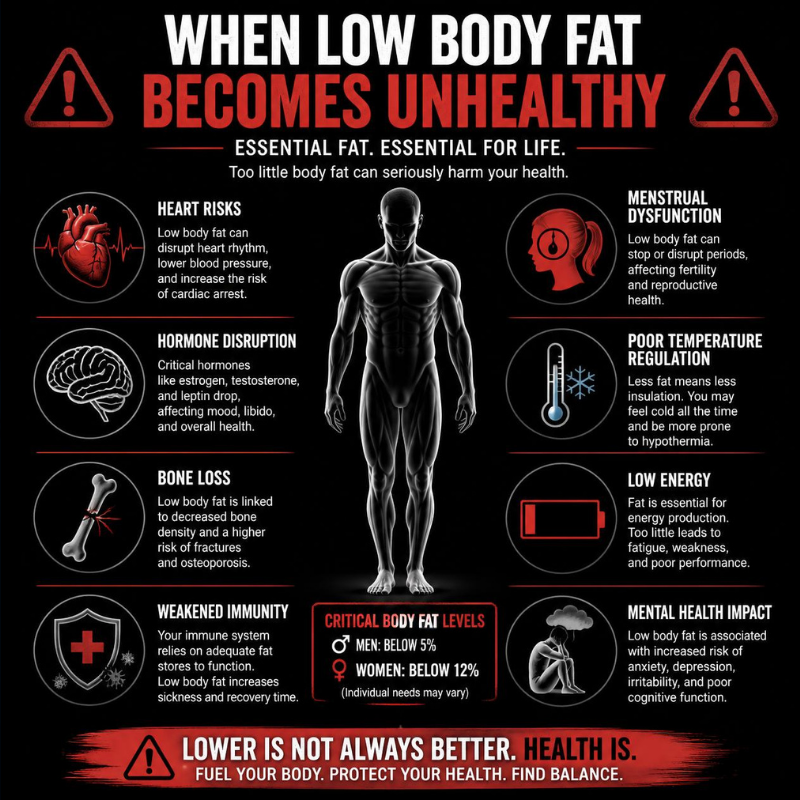
In fitness culture, getting lean is often treated as the ultimate sign of discipline. Visible abs. Muscle definition. Vascularity. A lower number on the body-fat scan. Social media can make it seem...