
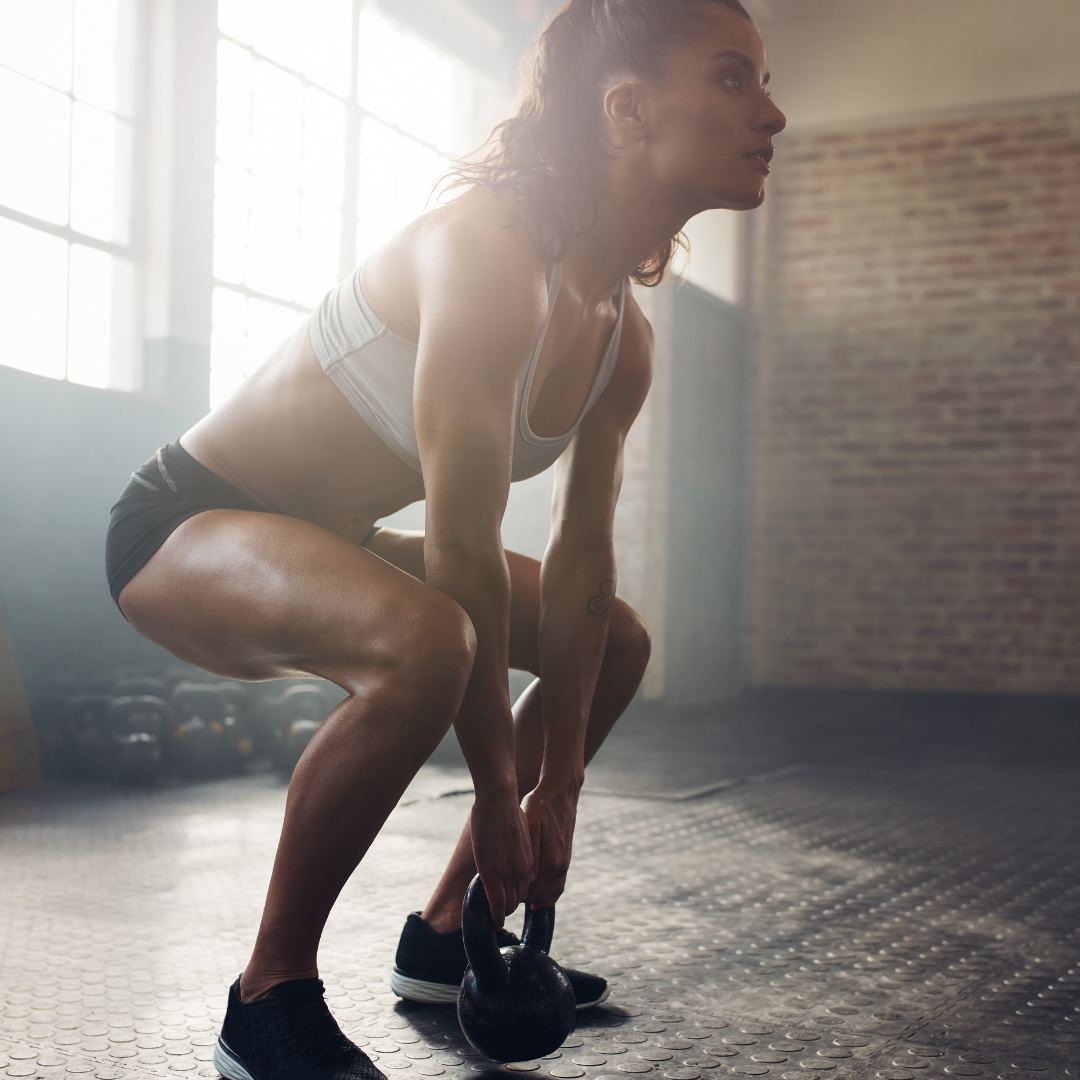
Why the Right Fitness Attire Matters More Than You Think
Why Your Workout Clothes Actually Matter
You can technically train in an old cotton T-shirt and worn-out sneakers… but you’re probably making your workouts harder, less comfortable, and maybe even less safe than they need to be.
The right fitness attire is not just “gym fashion.” It directly affects:
-
How comfortable you feel
-
How efficiently you move
-
Your risk of blisters, chafing, and injuries
-
How confident you are walking into the gym or onto the track
Let’s break down why what you wear to train really does matter.
1. Comfort and Performance: More Than Just “Feeling Nice”
Moisture management keeps you cooler, drier, and going longer
During exercise, your body cools itself by sweating. If sweat just sits in your clothes (hello, old cotton tee), it gets heavy, cold, and irritating. That can distract you, change your mechanics, and shorten your workout.
Moisture-wicking fabrics pull sweat away from your skin so it can evaporate faster. This helps:
-
Keep your skin drier and more comfortable
-
Regulate body temperature better
-
Reduce that “soaked shirt dragging on you” feeling
Brands and textile labs consistently note that moisture-wicking athletic wear helps maintain a more stable microclimate next to the skin, which supports endurance and perceived comfort during exercise.
Translation: you’re less distracted and more able to focus on effort, form, and breathing.
Freedom of movement = better form
Performance-focused tops, leggings, and shorts are usually designed with stretch fabrics and thoughtful seams. That means:
-
Full range of motion at the hips, knees, and shoulders
-
Fewer seams rubbing in high-motion zones
-
Less restrictive waistbands or cuffs
When clothes don’t pull or bind, it’s easier to squat deeper, press overhead safely, and maintain good running mechanics—key for performance and injury prevention.
2. Safety: Footwear, Support, and Visibility
Footwear can reduce injury risk
Shoes are not just style—they’re literal equipment.
Research on running shoes shows that design (like motion-control features, sole thickness, and structure) can influence biomechanics and injury risk. Motion-control shoes, for example, reduced injury risk in runners with pronated feet compared to standard shoes.
Good athletic footwear helps by:
-
Providing appropriate cushioning and support for the activity
-
Helping align your foot and ankle more optimally
-
Reducing impact stress on joints and soft tissue
Wrong shoes (too worn, wrong category, or wrong fit) can contribute to foot pain, shin splints, knee issues, and more.
Sports bras are essential, not optional
For anyone with breasts, a properly fitted sports bra is a critical piece of fitness attire, especially for running, jumping, and high-impact training.
Sports medicine organizations and research show that high-support sports bras:
-
Reduce breast movement and “bounce”
-
Decrease exercise-induced breast pain
-
Improve overall comfort and willingness to participate in physical activity
Since breasts can move thousands of times during an hour of running, support here is performance gear, not an accessory.
Reflective and high-visibility gear improves safety outdoors
If you train outside—running, cycling, or walking in low light—visibility is non-negotiable. High-visibility clothing usually includes bright neon colors (lime, yellow, orange) and reflective elements designed so drivers can see you sooner.
This can significantly lower your risk when training near traffic at dawn, dusk, or night. A simple reflective vest or jacket is often one of the best “insurance policies” you can wear.
3. Confidence and Mindset: Look Good, Train Better
There’s a psychological effect when you put on clothes that feel like they belong to the identity you’re building.
Many athletes and exercisers report that high-quality, well-fitting gear:
-
Makes them feel more “legit” walking into the gym
-
Helps them take their workouts more seriously
-
Boosts motivation and consistency
If you feel self-conscious about see-through leggings, shifting shorts, or a bra that doesn’t support you, your brain is half in the mirror and half in the workout. Attire that fits, supports, and flatters helps you focus on performance, not adjusting your clothes every 10 seconds.
4. Skin Health, Chafing, and Hygiene
Sweaty fabric that stays wet and rubs against your skin = the perfect combo for chafing and irritation.
Performance fabrics designed for training can help by:
-
Drying faster than cotton
-
Reducing friction in high-movement areas
-
Limiting prolonged moisture on the skin, which can contribute to irritation and odor
Moisture-wicking materials and good ventilation help reduce these issues and make higher-volume training (long runs, double sessions, etc.) much more tolerable.
5. Compression Gear and Recovery
Compression leggings, socks, and sleeves aren’t magic—but they’re not total hype either.
Research suggests compression garments worn during or after training can:
-
Improve venous return (helping blood flow back to the heart)
-
Support better recovery markers after hard sessions
-
Reduce perceived muscle soreness in some athletes
Are they essential? No. But if you train hard, especially with lots of running or heavy lifting, they can be a useful recovery add-on—as long as they’re comfortable and not cutting off circulation.
6. How to Choose the Right Fitness Attire
Here’s a simple breakdown so you’re not overthinking every purchase.
1. Start with the right shoes
-
Match the shoe to the activity:
-
Running shoes for running
-
Cross-training shoes for mixed lifting and classes
-
Court shoes for sports like tennis or basketball
-
-
Fit matters more than brand: Your toes should have wiggle room; heel should be snug, not sliding.
2. Prioritize moisture-wicking, breathable fabrics
Look for phrases like “moisture-wicking,” “technical fabric,” or “performance blend.” These breathe better and help regulate temperature far more effectively than heavy cotton.
3. Invest in a good sports bra (if applicable)
-
Choose impact level based on activity (low, medium, high impact)
-
Check for:
-
Wide, supportive straps
-
A band that’s snug but not crushing
-
No spillage or digging edges
-
Sports medicine groups recommend a high-support bra for any sport involving running, jumping, or strong arm movements.
4. Don’t ignore socks
Cheap cotton socks + long workout = blisters.
Look for:
-
Moisture-wicking fabrics
-
Light cushioning in the heel and forefoot
-
No big internal seams over the toes
5. Consider visibility and layers if you train outdoors
-
High-vis colors and reflective details for early or late sessions
-
Light, breathable layers in warm weather
-
Insulating but breathable layers in cold weather so sweat doesn’t freeze you out after the session
7. How Many “Outfits” Do You Actually Need?
If you’re just getting started, you don’t need a full influencer wardrobe. Aim for:
-
2–3 pairs of leggings/shorts
-
2–3 tops
-
2–3 sports bras (if needed)
-
3–5 pairs of training socks
-
1 pair of quality shoes for your main activity
Build from there as your training volume and preferences grow.
FAQs: Fitness Attire
1. Do I really need special workout clothes, or is cotton fine?
You can work out in cotton, but it’s not ideal. Cotton holds onto sweat, gets heavy, and dries slowly, which can lead to discomfort, chafing, and feeling chilled after you stop moving. Moisture-wicking fabrics keep you drier, more comfortable, and better able to focus on your workout instead of your clothes.
2. How often should I replace my workout shoes?
A common guideline is every 300–500 miles of running or every 6–12 months for regular use, depending on how often and how intensely you train. If the tread is worn, the midsole feels “dead,” or you’re noticing new aches in your feet, ankles, or knees, it’s probably time to replace them.
3. Are compression leggings really worth it?
Compression leggings aren’t mandatory, but they can feel great and may help with recovery and perceived soreness after tough workouts. Some research supports benefits for blood flow and post-exercise recovery markers, but the performance boost is modest at best. If they feel good and support your training, they’re worth it—if not, you’re not missing a magic trick.
4. How do I know if my sports bra fits correctly?
A good sports bra should:
-
Sit level around your ribcage without riding up
-
Hold the breasts close to the chest with minimal bounce
-
Have straps that don’t dig into your shoulders
-
Allow you to breathe deeply without feeling compressed in your ribs
If you experience pain, spillage, or chafing—or if the band moves up when you raise your arms—it’s likely the wrong size or support level.
Sources & Further Reading
These resources dive deeper into how clothing and gear affect training:
-
Moisture-wicking clothing, comfort, and temperature regulation in workouts Under Armour+2Polygiene+2
-
Importance of proper fitness clothing and footwear ISSA+1
-
Running shoe design and injury risk British Journal of Sports Medicine+2ScienceDirect+2
-
Sports bras, breast support, and exercise comfort Confluence Running Company+4Sports Medicine Australia+4Journal of Women's Sports Medicine+4
-
Compression garments and recovery NASM Blog+3Nature+3PMC+3
-
High-visibility and reflective apparel for safety Reflective Apparel Inc+2provizsports.com+2
Read more
Maintain, Don’t Melt Down The holiday goal isn’t “new body in 2 weeks.” It’s don’t lose the progress you already earned and maybe tighten things up a bit. Guidelines from the CDC and AHA say adults...
Discover why fitness app adoption is growing rapidly, how they improve workout consistency, nutrition, and motivation, and what to look for in the best fitness app.